How a Residential Electrician Helps Prevent Electrical Fires
Electrical fires rarely begin with drama. More often, they start quietly, behind drywall, inside an aging panel, or at a receptacle that has been running too hot for too long. By the time a homeowner smells melting insulation or sees a breaker trip again for the third week in a row, the problem has usually been building for months, sometimes years.
That is where a skilled Residential Electrician plays a preventive role that often goes underestimated. Most people call an electrician after something stops working. The more valuable call happens earlier, when the lights flicker for no clear reason, when an outlet feels warm, when a renovation changes the demands on an older system, or when a home simply reaches the age where hidden wear begins to matter. Fire prevention in a residence is not one single repair. It is a chain of good decisions, careful inspections, code-compliant upgrades, and honest judgment about what is safe to keep and what needs to go.
A house can look perfectly fine on the surface and still contain several conditions that raise fire risk. Loose terminations, overloaded circuits, undersized wiring, damaged insulation, outdated panels, improper DIY additions, failing arc fault protection, and poor connections inside junction boxes all create heat. Heat is the common thread. Electricity itself is not the enemy. Uncontrolled resistance is. A competent electrician knows where that resistance hides and how to eliminate it before it escalates into ignition.
Fire risk often begins with small defects
One of the most common misconceptions homeowners have is that a serious electrical fire requires a dramatic fault. In practice, many fires begin with something much less obvious, a marginal connection that arcs occasionally, a staple driven too tightly into cable sheathing, or a receptacle that has lost spring tension after years of use. These are not cinematic failures. They are ordinary defects that sit unnoticed until enough heat accumulates.
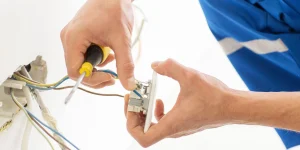
Take a loose neutral in a receptacle box. It may not stop the outlet from working entirely. Instead, it can create intermittent issues: dimming lights, electronics that reset, or a faint crackling sound that comes and goes. Inside that box, the poor connection can arc microscopically every time current changes. Over time, the conductor oxidizes, resistance increases, and heat builds faster. A homeowner sees an annoyance. A Residential Electrician sees a fire pathway.
The same principle applies at breakers, service lugs, switch terminals, and splices buried in attics or crawlspaces. A poor termination is one of the trade’s most reliable predictors of trouble. Good electricians pay attention not just to whether something works, but how well it is connected, how heavily it is loaded, and whether the installation has enough margin for normal household use.
What a Residential Electrician notices during an inspection
A thorough electrical inspection is part technical process, part pattern recognition. Experience matters because houses tell stories. The age of the panel, the type of cable, the way circuits are labeled, the condition of receptacles, and the signs of past remodeling all reveal where the likely weak points are.
During a fire-safety-focused visit, an electrician will typically look for overheating at terminations, evidence of arcing, breaker compatibility, circuit loading, grounding and bonding problems, damaged cord use, and hidden signs of amateur work. None of this is glamorous, but it is precisely what prevents loss.
An experienced electrician often spots warning signs in seconds. Cover plates discolored by heat. Breakers with a slight burnt odor. Backstabbed receptacles on heavily used circuits. Extension cords serving as permanent wiring. Light fixtures installed over insulation without proper rating. Bathroom or kitchen upgrades added onto circuits that were never designed for those loads. Many fire hazards exist because the house changed while the electrical system did not.
Inspection also involves asking practical questions. Has the microwave ever tripped the counter circuit? Does the breaker nuisance-trip in summer when the portable AC is running? Was the basement finished without permit review? Homeowners sometimes dismiss these details because the problem seems occasional. To an electrician, occasional trouble usually means an electrical system is operating too close to its limit.
Overloaded circuits are still one of the biggest problems
Modern homes consume electricity differently than homes built thirty or forty years ago. Older houses might have been wired when a bedroom needed a lamp, a clock radio, and perhaps a window fan. Today that same room may https://wakelet.com/@PaxosElectricCompanyLLC support gaming equipment, multiple monitors, chargers, a space heater, and a treadmill. Kitchens have seen an even bigger shift. Air fryers, espresso machines, instant hot water devices, undercabinet lighting, and high-demand countertop appliances all pull real current.
A Residential Electrician helps prevent fire by evaluating whether the original circuit design still matches the home’s actual use. This is more than counting outlets. It requires load calculation, awareness of appliance behavior, and respect for diversity factors without becoming too optimistic. There is a difference between a circuit that can survive a demand spike and one that is expected to absorb daily overload.
I have seen plenty of homes where the owners adapted to an undersized system rather than fixing it. They memorize which devices cannot run together. They avoid plugging in a vacuum during laundry. They reset one particular breaker every few months and treat it like part of the house’s personality. That kind of adaptation is not harmless. It is often the warning stage before heat damage shows up at terminals or insulation begins to deteriorate.
When an electrician recommends adding a dedicated circuit or splitting a crowded general lighting branch, the goal is not convenience alone. It is temperature control inside wires and devices that homeowners never see.
Panels, breakers, and the hidden age of a system
Electrical panels deserve more attention than they get. Many people assume that if breakers reset and lights come on, the panel is doing its job. Yet certain panels and breaker arrangements age poorly, especially where moisture, corrosion, or repeated overloads have taken a toll. Fire prevention often starts at the service equipment because every branch circuit depends on those connections staying secure and stable.
A Residential Electrician will inspect for signs such as oxidation on bus bars, breakers that do not seat properly, double-tapped conductors where they are not rated, missing knockouts, improper bonding, and evidence of heat at the main lugs. Even the panel directory matters. A badly labeled panel often hints at years of piecemeal changes, and piecemeal changes tend to hide undocumented risks.
Sometimes the issue is capacity. A panel that was acceptable when installed may no longer support additions like a finished basement, hot tub, EV charger, or workshop equipment. Homeowners are often tempted to squeeze in tandem breakers, share circuits in questionable ways, or rely on extension cords rather than address the root problem. Those workarounds tend to move the hazard around rather than eliminate it.
There are also cases where replacement is the smart call, not because failure is guaranteed tomorrow, but because the cost of carrying forward an outdated or unreliable panel outweighs the benefit. Good electricians know how to explain that distinction without scare tactics. Fire prevention should be grounded in evidence, not sales pressure.
Arc faults and why they matter in real homes
Arc faults are one of the less intuitive electrical hazards because a circuit can arc without drawing enough current to trip a standard breaker. That means you can have dangerous heat and sparking at a damaged conductor or loose connection while overcurrent protection remains silent. Arc fault circuit interrupters, commonly called AFCIs, were developed to address this gap.
A knowledgeable Residential Electrician understands both the value and the frustrations of AFCI protection. When installed correctly and paired with sound troubleshooting, AFCIs can interrupt dangerous arcing conditions that older systems would simply tolerate. They are especially important in sleeping areas and living spaces where damaged cords, pinched conductors, or deteriorating connections may go unnoticed.
At the same time, arc fault devices require thoughtful application. Nuisance tripping can occur with certain older equipment, mixed wiring conditions, or improper neutrals. That does not mean the devices are useless. It means the electrician needs to interpret what the trips are saying. In some homes, frequent AFCI trips are the first clue that hidden defects exist in receptacle boxes, attic splices, or switched-leg wiring modified years ago.
The key point is simple: modern protection devices give electricians a better chance to stop an ignition source early. They do not replace workmanship, but they add an important layer of defense.
The danger of DIY electrical work
A large share of residential fire hazards comes from well-intentioned homeowner work. Much of it looks acceptable at first glance. A new light fixture works. A garage receptacle has power. The basement remodel passed the eye test for years. Then an electrician opens a box and finds mixed wire gauges on one breaker, open splices hidden behind paneling, reverse polarity, or conductors twisted together without proper connectors.
The problem with improvised wiring is not only that it violates code. It often fails in unpredictable ways. A homeowner may not know torque requirements, box fill limits, cable support rules, derating issues, or how different materials and devices behave under load. Many fires trace back to the gap between “it works” and “it is safe.”
One memorable example involved a finished attic where portable heaters kept tripping a breaker. The owner had replaced the breaker twice and installed a new receptacle, convinced the issue was nuisance tripping. The real problem was a hidden junction buried under insulation, feeding added outlets with poor splices and no cover. The insulation around one conductor had become brittle from repeated overheating. Nothing had ignited yet, but it was close enough that the smell lingered once the box was opened. The repair itself was straightforward. The dangerous part was how ordinary the room looked before anyone investigated.
A Residential Electrician brings two things DIY work usually lacks: disciplined testing and a sense of how failures develop over time.
Older wiring systems require judgment, not panic
Not every older home is unsafe, and not every old wiring method demands immediate replacement. That is an important distinction. Some older systems can remain serviceable if they are intact, properly protected, and not asked to carry modern loads they were never designed for. Others need partial or full replacement because age, damage, or modification has made them high-risk.
This is where experience matters more than slogans. An electrician evaluates the actual condition of the conductors, insulation, devices, grounding path, and service capacity. They look for brittleness, overheating, inaccessible splices, and evidence of repeated repairs. They consider how the home is used today, not just how it was wired originally.
Cloth-sheathed cable, two-wire ungrounded circuits, aluminum branch wiring in some eras, and legacy fuse installations all require careful handling. Some can be managed with targeted upgrades and clear restrictions. Others justify stronger recommendations. A good electrician explains the trade-offs honestly. Full rewiring is costly and disruptive. Selective replacement is cheaper but may leave future limitations. The right path depends on condition, budget, and the homeowner’s plans for the property.
What matters most for fire prevention is that these decisions are made with evidence. Fear sells, but evidence protects.
Moisture, heat, and the environments that accelerate failure
Electrical systems do not age evenly. A receptacle in a climate-controlled bedroom may last decades without trouble. A connection in a damp crawlspace, a hot attic, or an unconditioned garage degrades faster. Residential fire prevention depends partly on recognizing those harsh environments and giving them special attention.
Moisture promotes corrosion. Corrosion increases resistance. Resistance creates heat. In outdoor and semi-exposed locations, an electrician checks for failed weather seals, rust at enclosures, brittle insulation, and improper fittings that allow water ingress. In attics, heat can accelerate insulation breakdown and expose any marginal splices or overloaded conductors. In garages and utility areas, physical damage from storage, tools, or vibration is common.
These are often the places homeowners visit least. They are also where dangerous conditions can mature quietly. A Residential Electrician does not treat the house as one uniform electrical environment. They understand that certain zones need closer scrutiny because wear happens faster there.
Fire prevention also depends on better device choices
Sometimes preventing electrical fires is not about major system changes. It is about replacing weak points with better components. Worn receptacles that no longer grip plugs tightly should be changed. Loose-fit plugs generate heat. Damaged switches should not be tolerated just because they still operate. Light fixtures need to match the lamps and insulation conditions around them. Bathroom fans, kitchen exhaust units, and older fluorescent retrofits often hide compromised conductors at terminations where heat has been building for years.
Surge protection can also play a role, especially where utility disturbances or lightning exposure are common. Whole-house surge devices are not fireproofing tools in the narrow sense, but they can reduce damage to electronics and controls that might otherwise fail in unsafe ways. An electrician evaluates whether that layer of protection makes sense for the home.
The point is not to chase gadgets. It is to strengthen the system at its most failure-prone points.
Warning signs homeowners should never ignore
Some hazards announce themselves before they become emergencies. When a homeowner recognizes those signals and calls a Residential Electrician promptly, the chances of preventing a fire rise sharply.
Here are five warning signs worth treating seriously:
- Breakers trip repeatedly without a clear temporary cause.
- Outlets or switches feel warm, smell burnt, or show discoloration.
- Lights flicker or dim when appliances start, especially on unrelated circuits.
- Buzzing, crackling, or popping sounds come from walls, devices, or the panel.
- An outlet stops holding plugs firmly or shows signs of sparking.
None of these symptoms proves a fire is imminent, but all justify investigation. Waiting for a clearer failure usually means waiting until the defect worsens.
The value of routine maintenance in a house
Residential electrical systems do not receive routine maintenance as often as HVAC systems, roofs, or plumbing. That is partly because most electrical components are hidden and partly because people tend to assume electricity is binary, either it works or it does not. Fire prevention depends on a more realistic view. Electrical systems drift. Connections loosen. Loads increase. Protective devices age.
A periodic inspection is especially worthwhile after a home purchase, before a major renovation, when adding large appliances, or in homes more than a few decades old that have seen multiple owners. The purpose is not to create work artificially. It is to catch the sorts of conditions that remain harmless only until they are not.
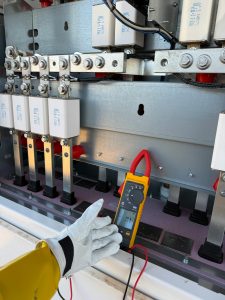
A useful service visit often includes panel evaluation, spot thermal checks where appropriate, representative device inspection, testing of protective devices, and a discussion about actual household usage patterns. The best electricians also help prioritize findings. Not every issue needs immediate correction, but some absolutely do. Clear prioritization helps homeowners act before budget constraints push urgent safety work aside.
Choosing the right electrician matters
Electrical fire prevention is only as good as the person assessing the system. Homeowners should look for an electrician who is licensed where required, comfortable explaining findings in plain language, and willing to distinguish between code upgrades, recommended improvements, and immediate hazards. That clarity builds trust and leads to better decisions.
A strong Residential Electrician is not the one who produces the longest defect list. It is the one who can say, with confidence and evidence, which conditions are dangerous, which can be planned for, and which are simply worth monitoring. Fire prevention is practical work. It depends on judgment as much as technical skill.
There is also value in documentation. When repairs are made, panel directories updated, circuits identified, and photos taken of corrected defects, the home becomes safer for the next service call and easier to maintain over time. Good records reduce guesswork, and guesswork is one of the enemies of safe electrical work.
The quiet role that protects everything else
When people think about home fire safety, they often picture smoke alarms, extinguishers, and escape plans. Those matter, of course. But the work of a Residential Electrician happens earlier in the timeline, before smoke, before flames, before anyone knows a serious problem exists. That preventive role is what makes it so valuable.
A proper repair in a crowded junction box, a correctly sized circuit for a new appliance, a panel upgrade done before overload becomes chronic, or the discovery of a failing connection behind a warm receptacle may never make for a dramatic story. It simply means the fire never starts.
That is the best outcome electrical work can deliver, not visible excitement, but uneventful safety. In residential settings, that kind of quiet prevention protects lives, preserves property, and gives homeowners something they rarely think about until it is missing: confidence that the power running through their walls is being managed by a system built to handle it safely.
Paxos Electric Company, LLC
255 NJ-15, Wharton, NJ 07885, United States
+1 973-598-8543
FAQ About Residential Electrician
What does a residential electrician do?
A residential electrician installs, inspects, maintains, and repairs electrical systems in homes. Common services include troubleshooting circuits, replacing panels, adding outlets and lighting, and completing electrical work for renovations.
When should I call an electrician for my home?
Call a licensed electrician if you notice repeated breaker trips, flickering lights, buzzing, burning odors, warm outlets, sparks, or unexplained power loss. Urgent warning signs should be addressed promptly.
Can a residential electrician upgrade an electrical panel?
Yes. A qualified electrician can evaluate the existing service, determine whether an upgrade is appropriate, obtain required permits, and install a panel sized for the home and planned electrical loads.
Do I need an electrician to install an EV charger?
A home EV charger often needs a dedicated circuit and a review of panel capacity. A licensed electrician can confirm the manufacturer requirements and complete the installation according to local electrical codes.